
What it takes to embed nurturing care in primary health care
Ensuring that young children not only survive but thrive requires more than stand-alone early childhood programs. It requires health systems that make nurturing care part of routine primary health care (PHC), from financing and workforce support to information systems and service delivery.
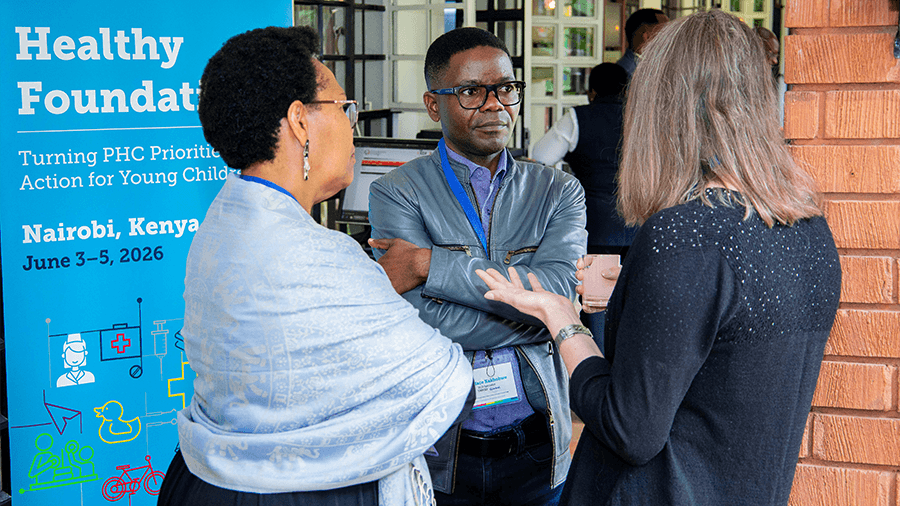
That implementation challenge is becoming increasingly concrete in Kenya, Tanzania, and Mozambique. Over months of country-led work, government officials, health practitioners, and partners have been translating the Nurturing Care Framework into practical action plans. In June 2026, more than 40 of these leaders came together in Nairobi at the Healthy Foundations Workshop, co-convened by the Ministry of Health in Kenya and Results for Development (R4D), to compare progress and sharpen the next phase of implementation.
Participants at the Healthy Foundations Workshop in Nairobi
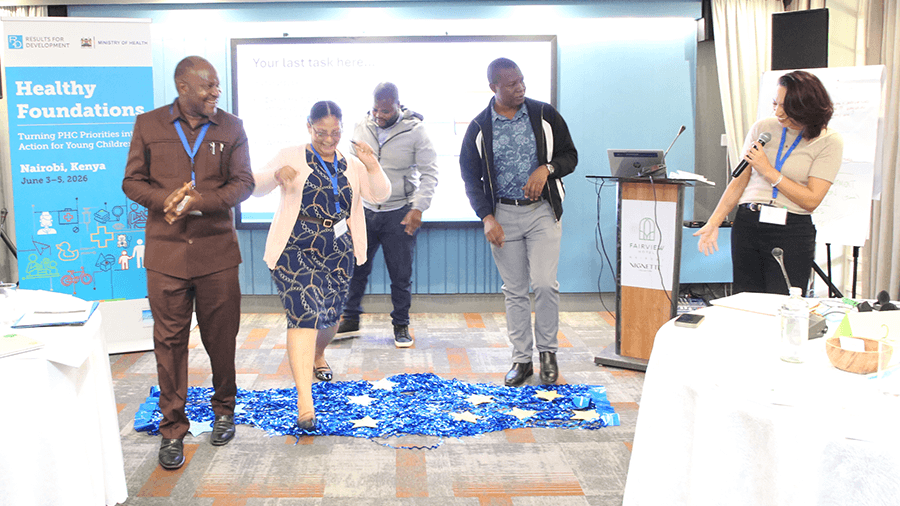
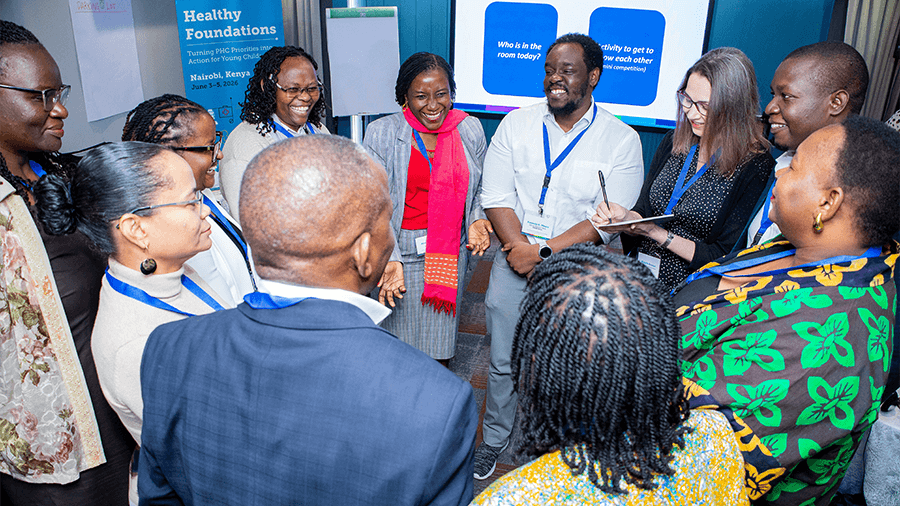
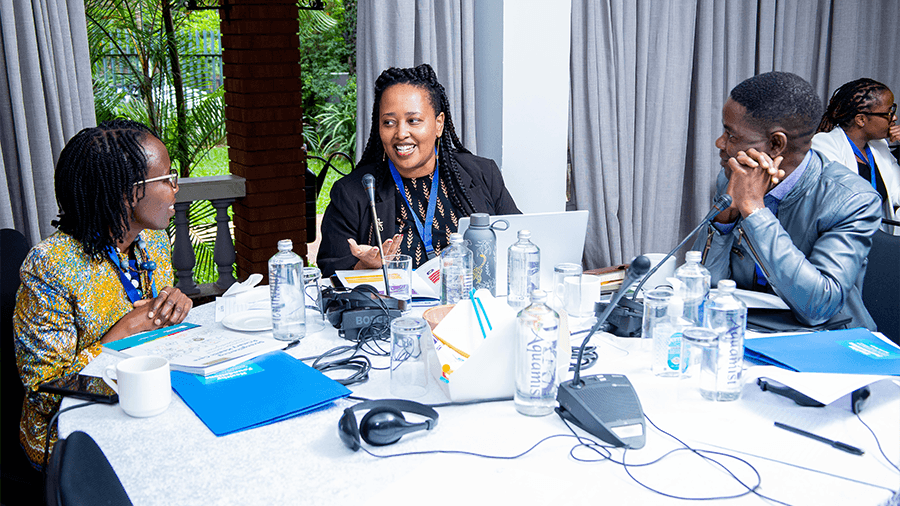
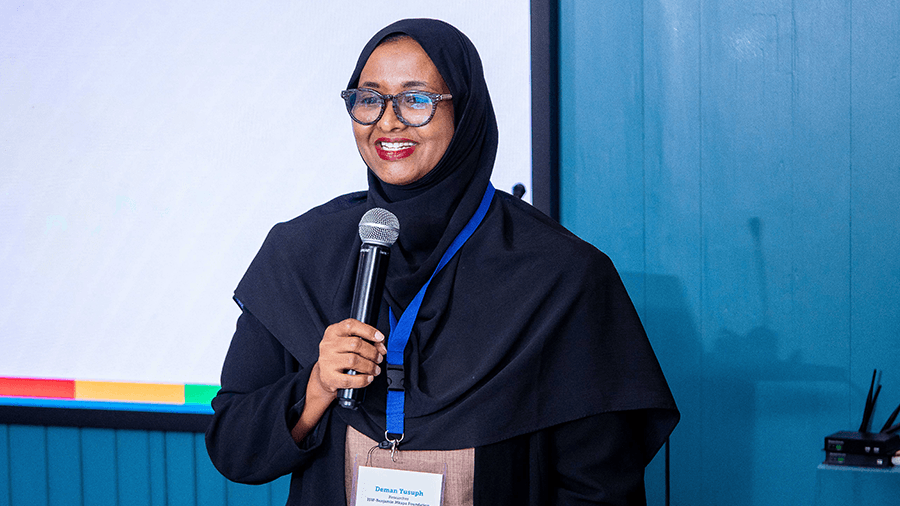
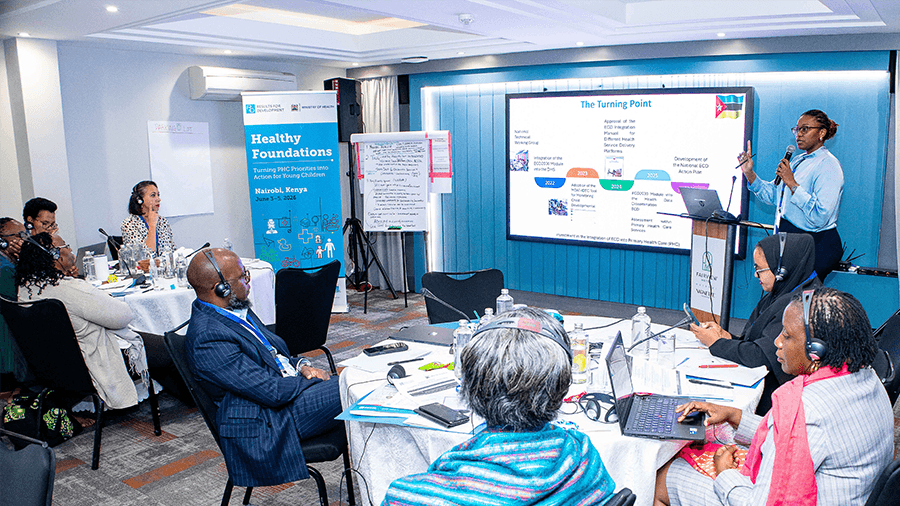

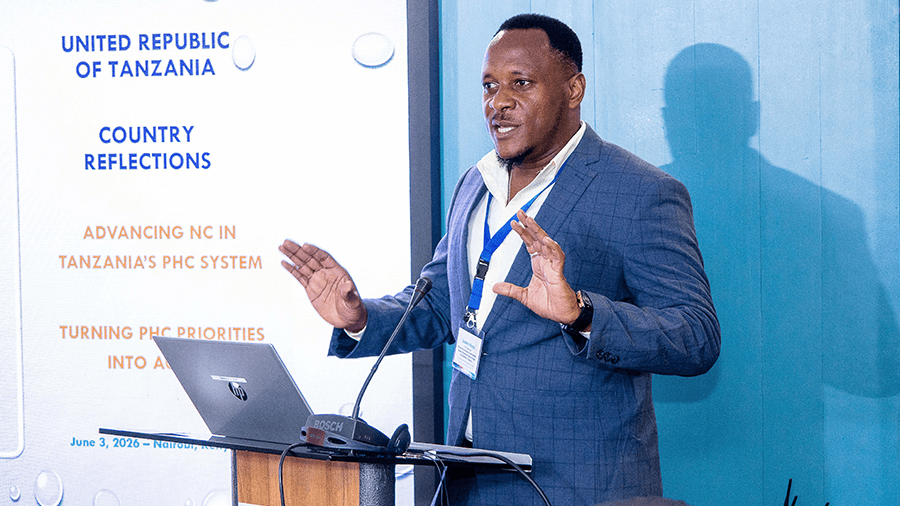
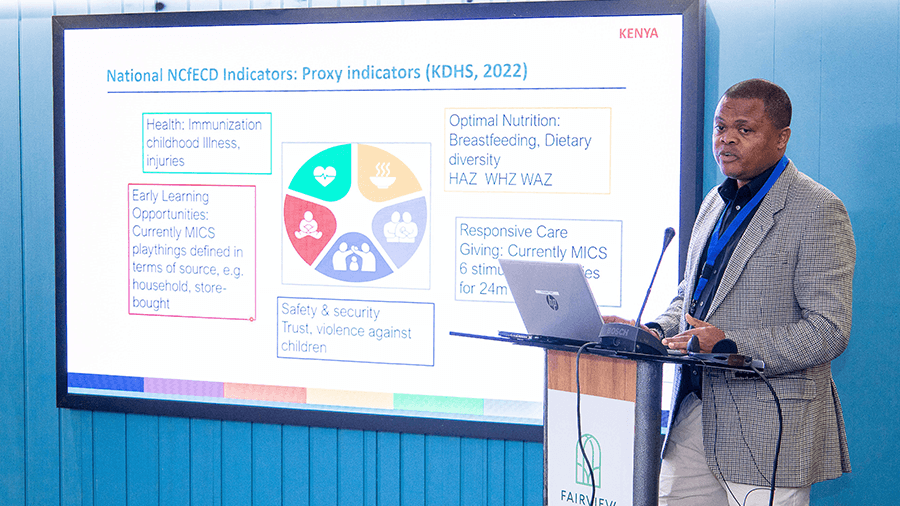

Participants focused on how to move from reflecting on experience to planning implementation and dove into three themes.
- Stocktaking where representatives reviewed and celebrated progress made over the last five years. The R4D team previewed a new Global Toolkit, which leverages global evidence for decision-makers promoting nurturing care in primary health care systems.
- The “how” of implementation with interactive sessions allowed teams to dive into activities such as messaging clinics, where they practiced tailoring complex nurturing care concepts for diverse audiences, from local parents to high-level policymakers. The day also featured technical working sessions focused on the health workforce, the backbone of any successful primary health care initiative.
- Sustainability and collaboration where the country and county teams presented their next steps, emphasizing a shared learning agenda and the vital role of regional partners in maintaining the momentum generated during the week.
These lessons become concrete when nurturing care is embedded across the core functions of the health system. Five priorities stand out:
Leadership and Governance
Nurturing care is more likely to endure when it is linked to broader agendas like Universal Health Coverage (UHC), rather than treated as a stand-alone initiative. The Tanzania team shared ‘Watoto Kwanza’ (Children First!), a simple but powerful slogan from its national advocacy strategy and childcare communication plan. Participants also highlighted efforts in Kenya to encourage leading political parties to commit to financing interventions that promote nurturing care in their manifestos.
Sustainable Financing
Moving from pilot programs to national scale requires domestic financing and mechanisms that can sustain services over time. Potential pathways include leveraging social insurance and facility improvement funds, with interest in learning from country examples such as Kenya’s Social Health Authority’s (SHA) Primary Health Care funding model.
Health Workforce
Training is only the first step. Sustained implementation also requires continuous mentorship, practical tools, and updated resources for frontline workers. Kenya’s Newborn, Infant and Child Health in-facility mentorship approach, a Ministry of Health (MoH) framework, is designed to bridge the gap between classroom-style training and real-world clinical application.
Health Information Systems
If health systems are to support children not only to survive but to thrive, they need measures that go beyond basic health metrics. This includes tracking the quality of interaction between children and their families. Tanzania’s multi-sectoral ECD dashboard and scorecard offer one model for monitoring progress across sectors.
Service Delivery
Nurturing care is most likely to reach families at scale when it is integrated into routine health services and essential benefit packages. Country teams identified catalytic interventions for doing so, while also exploring lessons from approaches such as maternal depression assessment in Mozambique and stronger support for children with special needs.
From Commitments to Implementation
The practical test of these lessons is whether they translate into specific changes in each country’s systems. Tanzania, Mozambique and Kenya have each identified concrete next steps.
Kenya committed to sustaining the implementation of the Nurturing Care Framework, specifically by scaling updated training modules for all Community Health Promoters (CHPs) and integrating interventions that promote nurturing care into the national Primary Health Care Strategic Framework. The country also aims to draft and enhance a nurturing care indicator framework for strengthened monitoring, evaluation and learning.
Tanzania committed to integrating nurturing care services into local governance. Health facilities develop plans and budgets which are consolidated into Comprehensive Council Health Plans (CCHP). This creates an opportunity to translate nurturing care priorities into specific activities and budget requirements at the council and facility levels. They also prioritized engaging the private sector to expand the reach of nurturing care services.
Mozambique plans to train health professionals in 12 percent of health facilities, alongside Community Health Workers, on promoting nurturing care over the next 18 months. The Ministry of Health also recognizes that caregiver well-being is inseparable from child development, prioritizing screening for maternal depression.
Across the three countries, implementation will require testing and iteration, peer-to-peer coaching, technical guidance, and continued regional exchange. Cross-country learning can help teams adapt faster while keeping solutions grounded in their own systems and priorities.
The message from Nairobi was clear: when we prioritize the “nurturing care” of our youngest citizens within our primary health systems, we are investing in the very future of our nations. The work is far from finished, but the foundations are stronger for having been built together.
Results for Development is working with ministries of health and partner organizations in Tanzania, Mozambique, and Kenya to strengthen primary health care systems in promoting nurturing care for early childhood development. This work is made possible by funding from the Conrad N. Hilton Foundation.